
The Talon
Vol. 1 | Ed. 14
The Psychology of Colors
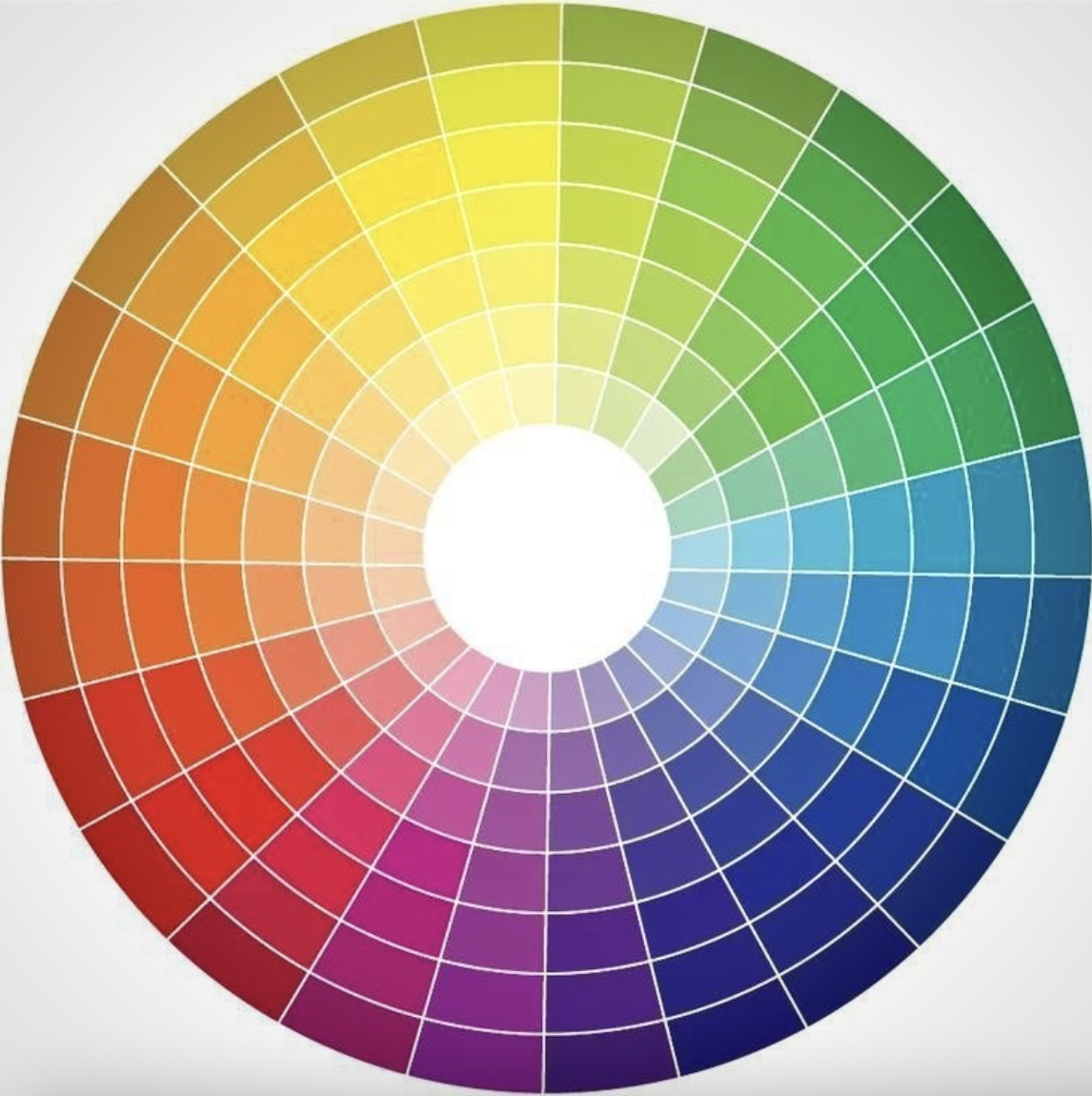
Ever looked at a picture that is colorful and felt possibly overwhelmed or felt some emotion? The study of how colors interact, combine, or evoke a particular emotion, is called color theory. Say, for example, the color red: wearing it can make you confident, but seeing it can make someone feel nervous, or even make a person feel more awake. Color theory plays an immense role in day-to-day life whether noticed or unnoticed.
Many colors can induce an emotion from someone. Anger, frustration, anxiety, and fear, from red, yellow, and dark muted tones. Joy, comfort, excitement, and energy, from bright colors like, pink, blue, green, or orange. There are also colors that can evoke neutral, calm, or balanced feelings—those colors being beige, brown, grey, black, and white. It really varies on the person and how it affects them specifically. However, according to many studies on color theory, these are the most common moods that can be brought out from just looking at a color or even being around it.
Colors can also help with productivity. Suppose the color blue can help with concentration, but warm colors like red and yellow grab attention and encourage action. Surprisingly, colors can also bring out physiological reactions impacting biology; such as blue lowering stress, and red increasing metabolism.
Not only can a color affect someone’s mood, but it can even be used effectively in the environment. For example, stop lights, signs, and streetlights, they are used to signal people who are on the road or on sidewalks by using color to catch the person’s eye. Blue is also used a lot in work environments, as previously mentioned, this color can provoke the brain to concentrate which is a color that may be seen a lot in work. Colors can affect someone psychologically, an example of this is how humans will associate certain colors with experiences, nature, or even objects.
The reason why a color can shift one’s emotion is through combinations of physiological, biological, and cultural influences, using light wavelengths that stimulates physiological responses and will trigger grasped emotions associated with the color. Cultural influences in color theory would be how white signifies purity in Western culture, but in Eastern cultures it symbolizes mourning. Colors can mean many different things depending on the area and person of course. Another example of this would be how the color red is typically known as the color of love, passion, and energy in Western cultures, but in China it's known as luck, prosperity, and celebration, while in some African cultures it represents danger or death. Biologically speaking, the reason that colors can shift a person's emotion, would be because specific wavelengths and energy levels can affect the body directly, and for instance this would be how red can increase a person’s blood pressure.
Colors can work in many ways and it is truly fascinating how colors work and can alter one’s mood, this is what is known as color theory and the way it works.