The Talon
Vol. 1 | Ed. 14
Are Schools Teaching What Students Need?
Every year, students deal with math equations, literary analysis, and historical timelines. Once graduation rolls around, many students are left wondering how much of what they’ve learned will they use in the future? The question isn’t whether schools teach important subjects, but whether they teach enough of the skills students need outside the classroom.
Most schools do a strong job with academic foundations. Algebra builds problem-solving skills. English develops communication. History helps students to understand how society works. Most could argue that there is a missing layer that includes real world skills that students will use after high school. Things like taxes, applying for scholarships or jobs, understanding credit, or managing personal finances often appear briefly, if at all. For most students, those are the exact skills they’re expected to know the moment they graduate.
A student may be able to solve for X, but not how to file taxes. They might analyze a novel, but feel lost filling out a job application. That gap is what fuels the ongoing debate about modern education. Some schools have started to adapt; personal finance classes, career readiness programs, and workshops on life skills are becoming more common in certain districts These courses cover topics like budgeting, banking, interview skills, and taxes. These are skills that students say they wish they had learned earlier. Still, these classes are not universal. In many schools, they are electives rather than requirements, meaning not every student gets access to them.
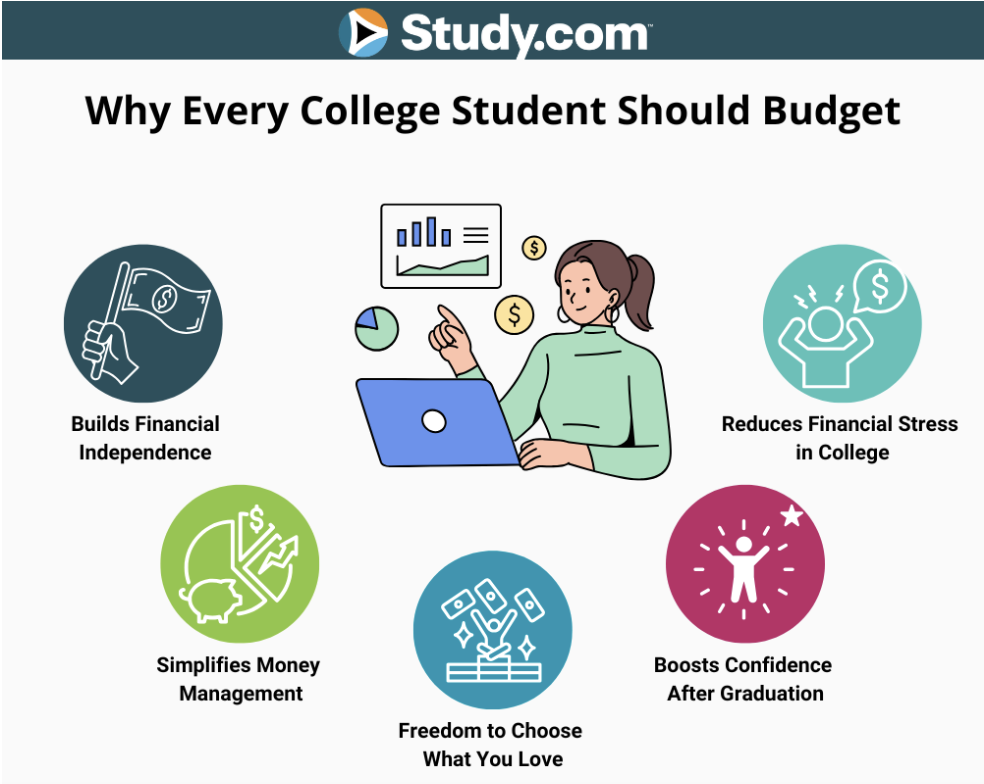
Here at Flag High, classes like Government and Economics have done a wonderful job to prepare students for financial success. These classes help students with budgeting, cash management, saving and investing, loans, and taxes. This provides students with practical skills that can be used outside the classroom. Instead of learning from a textbook, students gain experience to help them with financial decisions as they enter adulthood.
Supporters of the traditional system argue that schools cannot teach everything. They say the purpose of education is to build independence or thinking skills, not to act as a manual for adulthood. Students often feel differently. Many say they are willing to learn academic subjects, but want a better balance. Something that prepares them not just for college-but for life itself. The debate continues, but the question remains simple: are we being prepared for tests, or for the world waiting outside the classroom? Maybe the answer isn’t choosing one or the other, but rather finding a way to do both.