
The Talon
Vol. 1 | Ed. 14
Vietnam Article
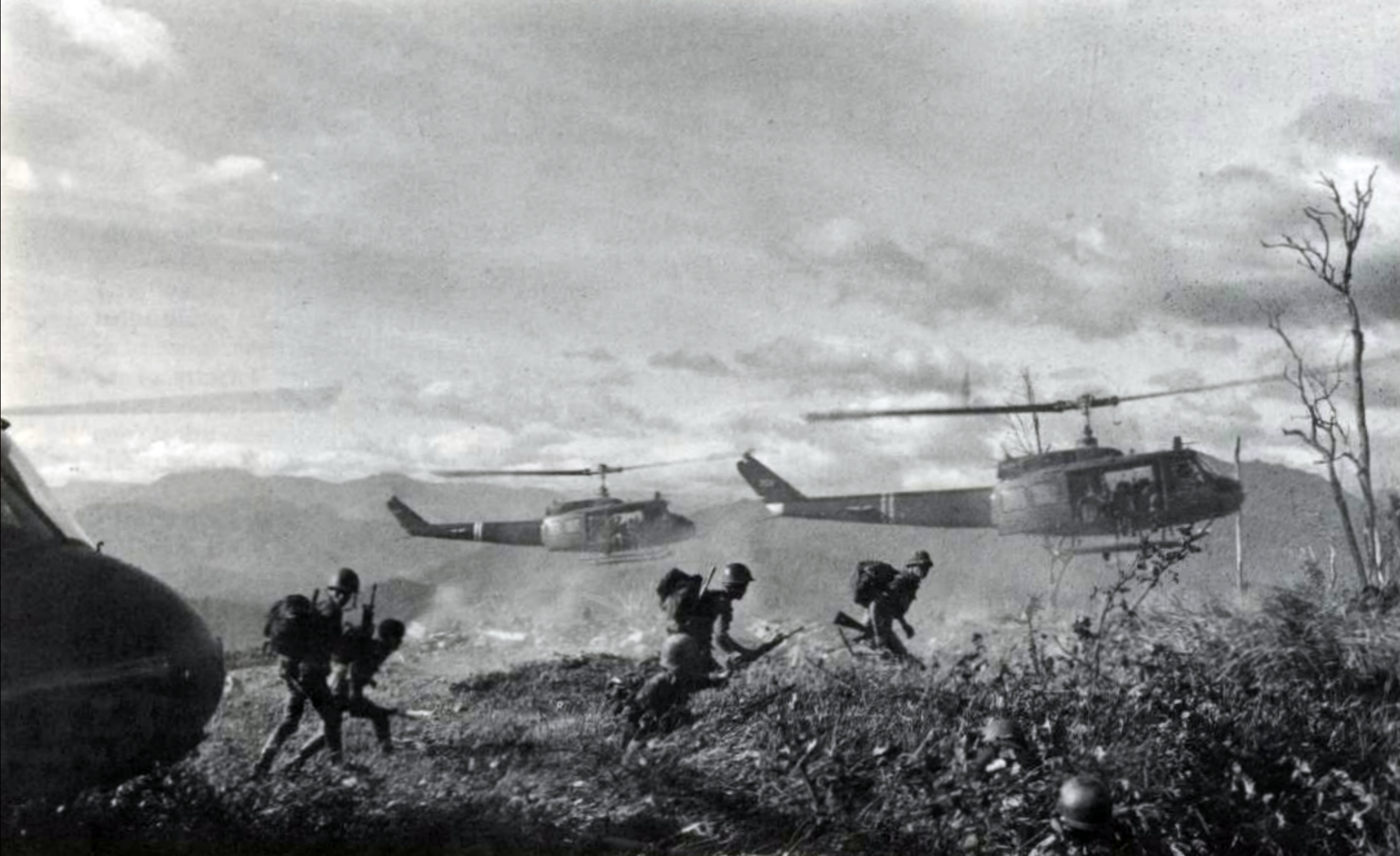
The Vietnam War lasted from early November 1955 to late April 1975. During this war, the total casualties were roughly 2 million to over 3.8 million people. Not all of those lost in Vietnam were troops; many were innocent, unarmed civilians—women, children, and men. Peaceful villages were heavily raided by American troops. These civilians were not just caught in the crossfire; they were shot at close range, deliberately targeted, raped, and critically injured.
My Lai is one of those peaceful villages where American soldiers slaughtered civilians while claiming they were just "following orders." This is the same excuse that the prosecuted defendants claimed during the Nuremberg trials, which years earlier had been ruled an unviable defense. This is because there is always a choice between following orders and refusing a heinous and unjust command. During the Vietnam War, soldiers were sent to photograph and document what the men fighting were going through in real time. These men were called Combat Camera ("com com") personnel, and they were sent to combat zones for historical, operational, and public affairs reasons.
A documentary on Netflix called Turning Point: The Bomb and the Cold War (which features a section on the Vietnam War) takes real, firsthand accounts from these soldiers and civilians. In the series, survivors recall the story of My Lai and the horrors that occurred there. The soldiers who were shooting that day were described as acting like "zombies." A man named Pham Thanh Cong, who was a My Lai resident in 1968, was only 11 years old when U.S. artillery came raining down on his village. Soldiers killed people on the road who were simply going to school or the market, and then entered homes to kill everyone inside, leaving dead bodies strewing the roadsides and ditches. Pham recalled U.S. soldiers capturing about 102 civilians, leading them to a watchtower at the village gate, and killing everyone captured. Early in the morning, soldiers came to Pham’s home, killing their livestock before burning down their house and barn. His mother shielded Pham and his siblings from bullets in an underground shelter, but U.S. soldiers threw grenades into their hiding spot. Pham’s family was killed, and neighbors and relatives from another village later had to clean the streets. There were pieces of bodies everywhere.
Another villager impacted by the My Lai massacre was Nguyen Hong Man. Like Pham, he was a resident of My Lai in 1968 and was only 13 years old when the tragedy happened. He had a four-year-old niece who was shot in the head, and he hid under a woman’s body, pretending to be dead. Nguyen was later told by his brother that his father had been shot dead in a ditch after burying his young niece. Nguyen said, “There are things that I have forgotten, but my mind will never forget that event.” He still carries the scar from the bullet that went through his arm and hit his niece in the head. Nguyen was confused; they were not the enemy, so why shoot at them? Why kill the children? Why kill the livestock if they were not actively fighting in the war?
General William Westmoreland, who was the commander of U.S. forces during the Vietnam War, infamously said, “The Oriental doesn't put the same high price on life as does a Westerner. Life is plentiful. Life is cheap in the Orient.” This was fundamentally untrue. The Vietnamese, like any other human beings, valued life, yet that day American soldiers took those lives away. The photographer who took the iconic and horrific photos of the My Lai massacre was Ronald Haeberle, an Army photographer sent to document operations. In the Vietnam War, the military's main metric for success was the "body count"—how many enemy soldiers you could kill.
While Ronald Haeberle took the photographs, noted historians like George C. Herring have extensively documented the horrific events. Haeberle recalled the moments behind his camera, stating: “I noticed a small child that was walking out, like he was looking for his mother in the group. And I was going to take another photograph. A GI came right along beside me..."