
The Talon
Vol. 1 | Ed. 14
Recycle, No More
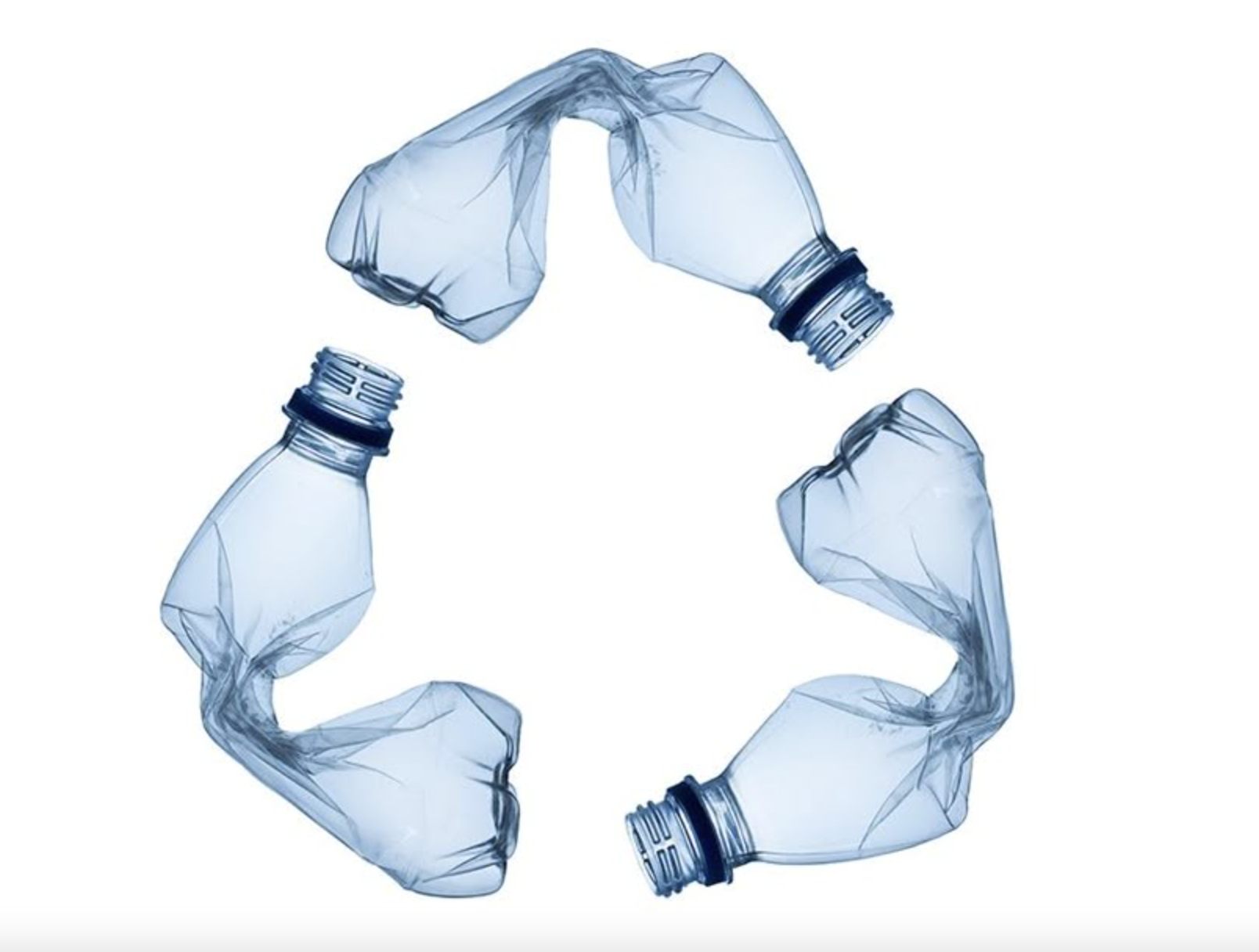
Flagstaff is known to be one of the most environmentally conscious cities in Arizona, with BBC ranking it one of the top 10 most sustainable small towns in the U.S. The American Lung Association named it one of the cleanest cities for air quality and Flagstaff was the world's first Dark Sky City (which is a community that commits to preserving its night sky by regulating light pollution). Due to this, most residents living here are very conscious of possible preemptive measures to reduce their output, but I believe there is always room for improvement.
Recycling materials is a much more complicated task than most realize. Contamination can ruin entire batches of recyclable materials which leads them to be sent to the landfill anyway. Typically, you can expect to be able to recycle plastic bottles, jugs, cardboard, paper, glass, and metal cans. To best avoid contamination, you are expected to keep materials empty, clean, and dry. Despite all that, what you can actually recycle is dependent on your local guidelines.
In Flagstaff the local requirements for recycling are that accepted materials, (paper, cardboard, cans, and specific bottle/jug/jar plastics) are required to be clean, dry, and loose in blue bins. Glass is not allowed in typical recycling curbside or corporate recycling bins. In an interview on KNAU with Todd Hanson, the City of Flagstaffs waste director, he spoke on what happens to a batch of materials that has been contaminated. When things are brought or picked up to be recycled, they are sorted through manually and mechanically. They remove materials that cannot be accepted, which are then loaded back up and brought to the land fill to be buried. He explained that “we added a bunch of labor, we burned a bunch of fossil fuels, we emitted a bunch of contaminates into the air with the diesel engine, the whole thing—it was really just a waste of resources,” this extra step causes more harm than good. Oftentimes, people don’t contaminate their recycling on purpose, but out of ignorance. With how often the market for recycled materials has changed over the years, the materials you have been taught to recycle may be outdated.
One of the biggest questions around recycling is why do the permitted recyclable materials change so often. This is because there is a market for plastics, and it is dictated by mostly one country, China. China takes roughly 50% of the world's recyclables, but they have made a law saying they will not accept anything above half contamination. This means there could be a huge load of accepted materials that are fine, but a couple pieces of trash that might have slipped through the cracks of sorting could ruin the entire load.